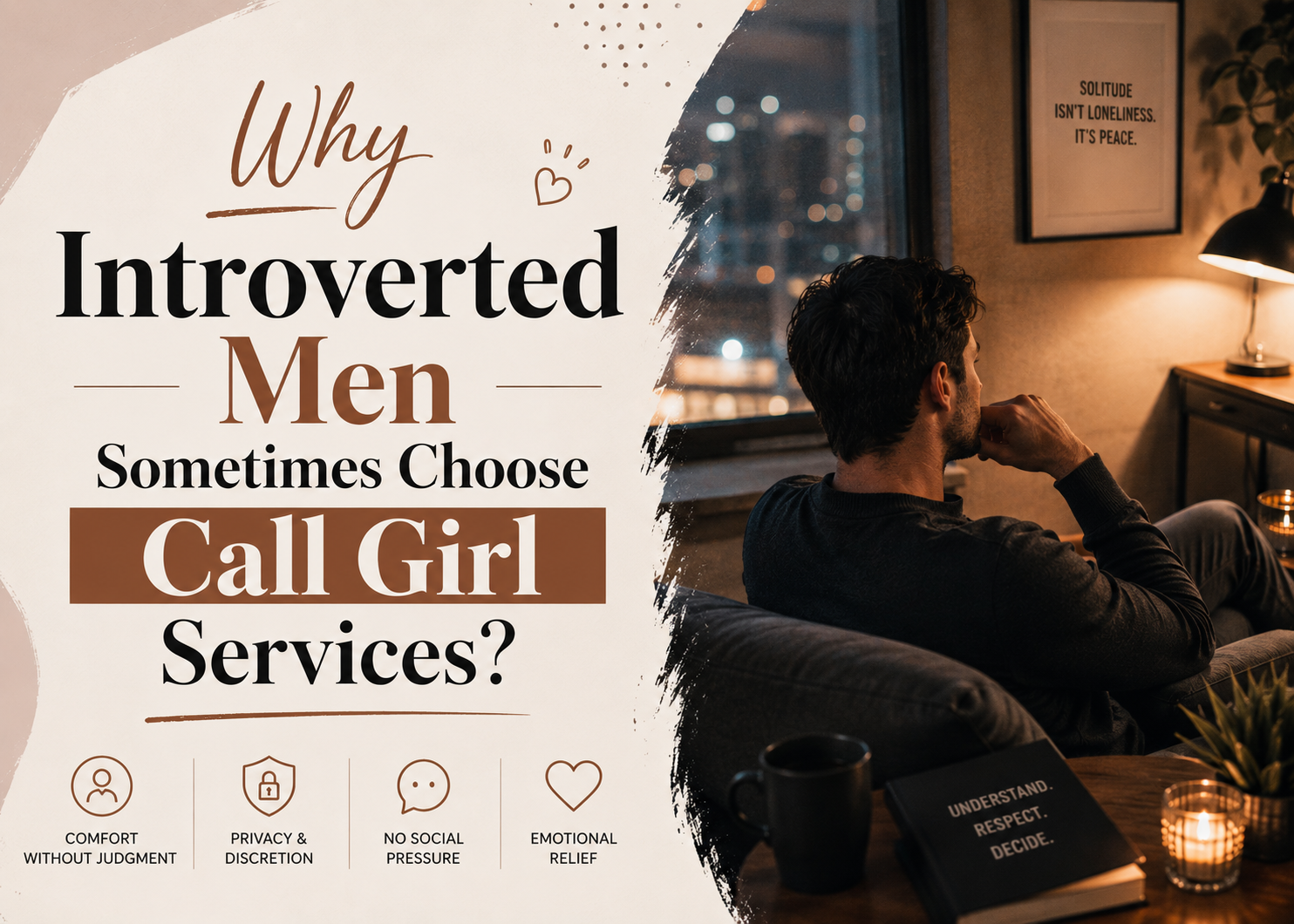
Many introverted men prefer calm environments, smaller conversations, and limited social exposure. However, modern social culture often rewards extroverted behavior. Social gatherings, loud parties, and fast-paced dating patterns can feel exhausting rather than enjoyable. Consequently, some introverted men avoid traditional dating situations because constant interaction creates emotional fatigue.
Professional companionship sometimes appears attractive because it removes much of the uncertainty connected with regular dating. Introverted individuals often value predictable communication, controlled settings, and clear expectations. Moreover, these services may reduce the stress linked with rejection, awkward introductions, or emotional confusion.
Several factors influence this preference:
- Reduced pressure during conversations
- Clear expectations between adults
- Limited emotional unpredictability
- Greater control over social interaction
- More privacy than conventional dating
Although critics often judge these choices harshly, many introverted men simply seek temporary companionship without emotional complications. In contrast, highly social individuals may gain confidence through repeated interaction, while introverts often require more emotional preparation before opening themselves socially.
Emotional Distance and Personal Comfort
Introverted personalities commonly protect personal boundaries carefully. Many men with reserved temperaments avoid emotionally intense relationships because they fear conflict, emotional dependence, or rejection. Therefore, professional companionship can appear emotionally safer than long-term dating.
Unlike conventional relationships, these interactions often involve limited expectations outside the agreed arrangement. Consequently, some introverted men feel more comfortable expressing themselves without worrying about long-term judgment. They may speak more openly because the interaction feels structured and temporary.
This preference does not always reflect loneliness. Instead, it can reflect emotional caution. Many introverted men maintain fulfilling careers, hobbies, and family relationships. However, romantic communication may still feel difficult due to social anxiety or fear of vulnerability.
Certain emotional concerns often shape their decisions:
- Fear of public embarrassment
- Anxiety during first meetings
- Difficulty maintaining extended conversations
- Worry about emotional rejection
- Pressure connected with dating culture
Moreover, many introverted men value emotional stability over excitement. Because of this, they may choose interactions that feel calm, respectful, and predictable rather than emotionally demanding.
Privacy Matters to Introverted Individuals
Privacy often holds significant value for introverted personalities. Many prefer keeping personal matters away from public discussion or social observation. Consequently, dating applications and public relationships may feel intrusive or mentally exhausting.
Professional companionship frequently operates with greater discretion. Therefore, some men view these arrangements as more manageable than navigating public dating spaces. They may prefer quiet meetings rather than constant online communication or social performance.
Several privacy-related reasons influence this choice:
- Avoidance of public dating exposure
- Reduced involvement with social media
- Fewer personal questions from others
- Less pressure to maintain appearances
- Greater emotional separation
Additionally, introverted men often protect their emotional energy carefully. Social interaction can require significant mental effort, especially after demanding work schedules. Consequently, some seek companionship within controlled environments where expectations remain straightforward.
For example, a man searching online for a call girl in Rishikesh may not necessarily seek glamour or excitement. Instead, he may simply prefer private companionship without complicated emotional negotiations or public attention.
Dating Culture Can Feel Overwhelming
Modern dating culture often rewards constant communication, instant responses, and visible confidence. However, introverted men may struggle with these expectations because they process emotions internally and require more time to build comfort.
Many dating platforms encourage rapid interaction and frequent self-promotion. Consequently, introverted personalities may feel disconnected from these patterns. They may dislike superficial conversations, exaggerated self-presentation, or emotionally rushed connections.
Several common dating challenges affect introverted men:
- Pressure to appear highly confident
- Exhaustion from repeated messaging
- Difficulty starting conversations
- Fear of miscommunication
- Emotional burnout after social interaction
Moreover, dating culture frequently associates masculinity with dominance and social charisma. In contrast, introverted men may communicate quietly and thoughtfully. Unfortunately, this difference sometimes creates feelings of inadequacy during romantic interaction.
Professional companionship may appear easier because the structure removes many social barriers. Consequently, introverted men can avoid the competitive atmosphere often connected with modern dating.
Controlled Interaction Creates Security
Predictability often provides comfort for introverted individuals. Sudden emotional changes, unclear intentions, or inconsistent communication can create stress. Therefore, structured companionship may feel safer than uncertain romantic situations.
Professional arrangements usually involve defined boundaries and expectations. As a result, introverted men may experience reduced anxiety during interaction. They often appreciate knowing the duration, setting, and purpose of the meeting beforehand.
Controlled interaction offers several perceived advantages:
- Greater emotional clarity
- Fewer unexpected obligations
- Reduced social confusion
- Easier communication boundaries
- Lower emotional pressure
However, this preference does not eliminate emotional complexity. Some introverted men still desire meaningful relationships but struggle with the early stages of dating. Consequently, professional companionship may become a temporary substitute for emotional connection.
Moreover, predictable interaction can help reserved individuals feel calmer during social experiences. Because introverts often process emotions deeply, emotional uncertainty may feel especially draining.
Loneliness and Selective Social Behavior
Introversion differs from isolation. Many introverted men maintain rich internal lives and close personal relationships. However, selective social behavior can still create periods of loneliness, especially when work responsibilities or relocation reduce social opportunities.
Some introverted men avoid crowded environments entirely. Consequently, meeting potential partners becomes difficult. They may dislike bars, parties, or highly social events where romantic interaction commonly begins.
Several conditions can increase feelings of isolation:
- Remote work routines
- Relocation to unfamiliar cities
- Limited friendship circles
- Long working hours
- Social anxiety
Moreover, loneliness affects emotional health regardless of personality type. Even individuals who enjoy solitude still require occasional companionship, conversation, and emotional warmth. Therefore, some introverted men seek professional companionship as a practical response to emotional isolation.
In contrast, extroverted individuals often replenish energy through social engagement. Introverts usually recharge privately, yet prolonged isolation can still create emotional strain.
Communication Challenges in Romantic Settings
Communication plays a major role in romantic success. However, introverted men often communicate carefully rather than spontaneously. Consequently, dating situations may feel difficult because rapid emotional expression becomes socially expected.
Some introverted individuals require additional time before expressing attraction or personal feelings. Unfortunately, modern dating culture frequently rewards immediate confidence and bold communication. As a result, reserved men may feel overlooked.
Common communication barriers include:
- Hesitation during emotional conversations
- Fear of awkward silence
- Difficulty expressing attraction
- Slow emotional openness
- Anxiety during group interaction
Professional companionship sometimes removes these communication pressures. Consequently, introverted men may feel more relaxed because they no longer need to impress someone constantly or perform socially.
Moreover, quiet personalities often prefer meaningful conversation over performative charm. Structured companionship may therefore feel emotionally easier than unpredictable dating environments filled with social competition.
Emotional Safety and Reduced Judgment
Fear of judgment strongly affects many introverted individuals. They often analyze conversations deeply and worry about social mistakes long after the interaction ends. Therefore, emotionally controlled environments can feel safer.
Traditional dating sometimes involves uncertainty, mixed signals, and emotional vulnerability. Consequently, introverted men may experience high anxiety during romantic pursuits. Professional companionship may appear less emotionally risky because expectations remain more transparent.
Several emotional concerns influence behavior:
- Fear of rejection
- Concern about criticism
- Anxiety regarding appearance
- Pressure to constantly entertain
- Worry about emotional exposure
Additionally, introverted men frequently value calm emotional interaction over dramatic excitement. Therefore, they may choose settings where conversation feels respectful and controlled rather than emotionally intense.
However, emotional safety does not always equal emotional satisfaction. Temporary companionship may reduce anxiety, yet it cannot automatically replace genuine emotional intimacy or long-term trust.
Society Often Misreads Introverted Men
Society frequently associates confidence with loud communication and visible charisma. In contrast, introverted men often express themselves quietly and cautiously. Unfortunately, this difference can create unfair assumptions about personality or emotional capability.
Reserved men sometimes face criticism for appearing distant, shy, or emotionally unavailable. Consequently, romantic interaction may become even more difficult because negative assumptions reduce confidence further.
Several stereotypes affect introverted men negatively:
- Quiet behavior equals weakness
- Reserved speech signals disinterest
- Emotional caution reflects insecurity
- Solitude means unhappiness
- Calm personalities lack confidence
Moreover, repeated social disappointment can increase emotional withdrawal. Some introverted men eventually avoid traditional dating completely because constant misunderstanding feels exhausting.
Professional companionship may therefore appear emotionally simpler. Structured interaction removes many social expectations that introverted men find stressful or discouraging.
Building Healthier Social Confidence
Although professional companionship may provide temporary comfort, long-term emotional growth often requires balanced social development. Introverted men benefit from environments that respect quiet personalities while encouraging authentic communication.
Healthy confidence does not require loud behavior or constant social activity. Instead, it develops gradually through respectful interaction, self-awareness, and emotional patience. Consequently, introverted men often build stronger relationships when they feel emotionally secure.
Several healthy approaches can support social confidence:
- Small social gatherings
- Honest communication habits
- Shared-interest communities
- Therapy for social anxiety
- Balanced emotional boundaries
Moreover, meaningful relationships usually depend on emotional compatibility rather than extroverted behavior alone. Quiet individuals can build strong romantic connections when partners appreciate thoughtful communication and emotional depth.
Consequently, society benefits when different personality styles receive equal respect rather than comparison through narrow social standards.
Changing Views on Masculinity and Connection
Many introverted men struggle with social expectations connected with masculinity. Popular culture often praises assertive behavior, constant confidence, and effortless romantic success. However, quiet personalities rarely operate through those patterns. Consequently, reserved men may feel disconnected from social standards that reward aggressive communication and visible charm.
This pressure can create internal frustration. Some introverted men compare themselves unfairly with highly social peers who appear comfortable during flirting, dating, or public interaction. Moreover, repeated comparison can reduce self-esteem and increase emotional withdrawal. Rather than risking embarrassment repeatedly, some choose structured companionship because it feels less judgmental.
Several cultural pressures affect introverted men directly:
- Expectations to initiate every romantic interaction
- Pressure to appear emotionally fearless
- Assumptions that silence reflects weakness
- Social criticism regarding quiet behavior
- Constant comparison with extroverted personalities
FAQs
1. Why do introverted men avoid traditional dating environments?
Many introverted men feel mentally drained by loud social settings, rapid conversations, and constant emotional performance. Consequently, bars, parties, and crowded gatherings may create stress instead of comfort. They often prefer quieter interactions with predictable communication because calm settings support emotional ease and reduce social pressure during romantic interaction.
2. Does choosing professional companionship always indicate loneliness?
Not always. Some introverted men maintain active personal and professional lives while still struggling with romantic communication. Consequently, professional companionship may reflect emotional caution, privacy preferences, or social anxiety rather than deep loneliness. Every individual situation differs according to personality, emotional needs, and relationship experiences.
3. Why does privacy matter strongly to introverted individuals?
Introverted personalities often protect their emotional energy carefully. Therefore, public dating exposure, social media attention, and constant communication may feel overwhelming. Private arrangements can seem emotionally safer because they involve fewer social expectations, reduced public visibility, and more controlled interaction between adults.
4. Can social anxiety influence these decisions?
Yes. Social anxiety can create fear of rejection, embarrassment, or awkward communication. Consequently, some introverted men avoid conventional dating because uncertainty increases emotional stress. Structured companionship may appear less intimidating because expectations remain clearer and communication feels more predictable.
5. Are introverted men incapable of long-term relationships?
No. Introverted men often build deeply loyal and emotionally meaningful relationships. However, they may require additional time before developing trust and emotional openness. Quiet personalities usually value emotional depth, honesty, and stability rather than highly social or emotionally dramatic relationships.
6. Why can modern dating culture feel difficult for introverts?
Modern dating often rewards fast responses, visible confidence, and constant social engagement. In contrast, introverted individuals usually process emotions carefully and communicate more slowly. Consequently, dating platforms and rapid interaction patterns may create emotional exhaustion instead of genuine comfort.
7. Does structured companionship reduce emotional pressure?
For some individuals, yes. Structured interaction usually includes clearer expectations, defined boundaries, and reduced uncertainty. Consequently, introverted men may feel calmer because they avoid many stressful elements connected with conventional dating, including mixed signals and unpredictable emotional reactions.
8. How does society misjudge quiet personalities?
Many cultures associate confidence with loud communication and extroverted behavior. Consequently, introverted men sometimes face unfair assumptions regarding confidence, masculinity, or emotional strength. Quiet communication styles can, therefore, become misunderstood despite strong emotional intelligence and thoughtful personality traits.
9. Can introverted men improve romantic communication skills?
Yes. Gradual exposure to comfortable social settings, honest conversation habits, and supportive relationships can improve confidence significantly. Moreover, emotional growth often develops steadily when introverted individuals communicate within respectful environments that value authenticity instead of performance.
10. What helps introverted men build healthier relationships?
Healthy relationships often grow through patience, emotional respect, and compatible communication styles. Consequently, introverted men usually benefit from calm interaction, shared interests, and emotionally supportive partners. Strong relationships depend more on mutual respect and emotional trust than social loudness or extroverted behavior.

