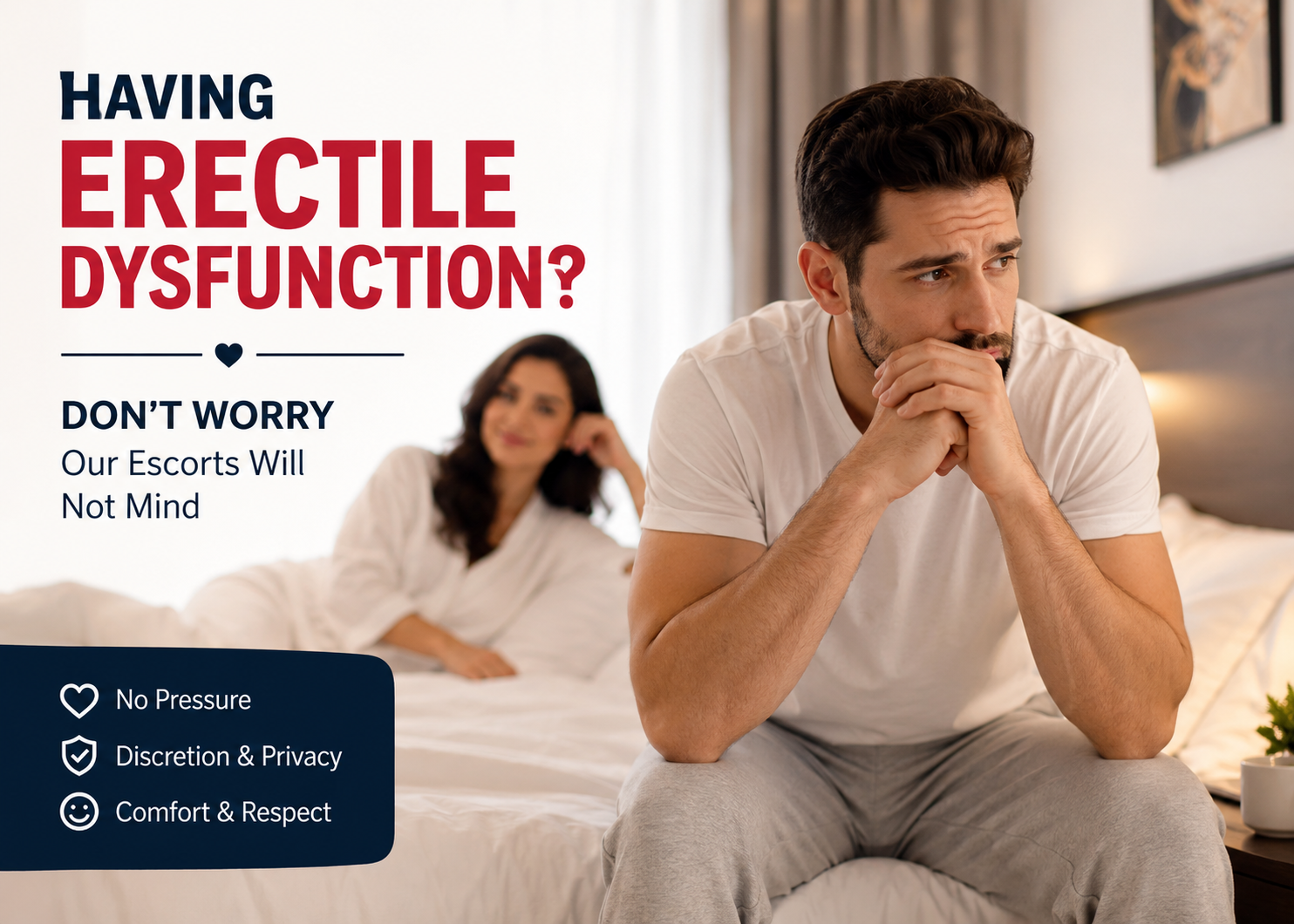
Erectile dysfunction can create emotional strain for many men. However, physical intimacy involves much more than sexual performance alone. Many people build meaningful connections through conversation, affection, patience, and emotional warmth. Consequently, men who face erection difficulties often benefit from reassurance rather than judgment.
Stress, anxiety, lifestyle habits, medical conditions, and emotional exhaustion can all affect sexual function. Moreover, relationship tension may increase pressure and make intimacy feel difficult. Some men avoid closeness because they fear embarrassment or rejection. In contrast, supportive companionship can reduce tension and help people feel accepted.
Professional companionship often focuses on comfort, communication, and respectful interaction. Therefore, many clients seek emotional ease rather than unrealistic expectations. A calm atmosphere can lower nervousness and encourage natural interaction. Moreover, respectful partners often value honesty and emotional balance more than perfection.
Several emotional effects may appear during this phase:
- Reduced self-confidence during private moments
- Fear of disappointing a partner
- Increased social anxiety before intimacy
- Emotional distance within relationships
- Frustration caused by repeated pressure
However, these concerns do not define a person’s worth. Healthy interaction depends on kindness, trust, and emotional maturity. Consequently, many people find relief once they stop treating intimacy as a performance test.
Common Causes Behind Erectile Dysfunction
Erectile dysfunction may result from physical, emotional, or lifestyle-related factors. Therefore, identifying possible causes can support better decision-making and emotional stability. Many men experience temporary difficulties at different stages of life. However, shame often prevents open discussion.
Physical causes can include poor blood circulation, hormonal imbalance, obesity, diabetes, high blood pressure, or side effects from medication. Moreover, excessive alcohol intake and smoking may weaken sexual health over time. Lack of sleep may also affect hormone levels and mental energy.
Psychological causes may involve:
- Anxiety related to sexual expectations
- Depression or emotional fatigue
- Relationship conflicts
- Financial stress
- Past emotional trauma
Consequently, emotional pressure may create a cycle of fear and tension. A person may worry about failure before intimacy even begins. Therefore, the body may react with increased stress instead of relaxation.
Lifestyle balance often improves emotional and physical wellness. For example, regular exercise may support circulation and confidence. Moreover, balanced nutrition can strengthen energy levels and mood stability. Open communication also reduces unnecessary fear.
Many men search for discreet companionship because they seek acceptance without judgment. Therefore, supportive interaction can help reduce emotional discomfort during intimate situations. Respectful communication often matters more than physical perfection.
The Importance of Emotional Safety
Emotional safety plays a major role in healthy intimacy. However, many men focus only on physical outcomes and ignore emotional comfort. Anxiety may increase when a person feels pressured to prove masculinity. In contrast, emotional acceptance creates a calmer experience.
Supportive companionship may include active listening, respectful conversation, patience, and kindness. Consequently, men often feel more relaxed when they know another person will not criticize them. Emotional reassurance can reduce tension and encourage confidence.
Several factors support emotional comfort during intimacy:
- Honest communication before private interaction
- Mutual respect and personal boundaries
- Calm and pressure-free environments
- Realistic expectations about intimacy
- Emotional patience from both individuals
Moreover, confidence often grows gradually instead of instantly. Men who feel emotionally safe may communicate more openly about their concerns. Therefore, trust becomes easier to build.
Professional companionship sometimes attracts clients who value discretion and emotional balance. However, respectful interaction should always remain a priority. A mature companion may focus on conversation and comfort instead of unrealistic pressure.
Emotional warmth often improves human connection more effectively than performance anxiety. Consequently, men may feel less isolated once they realize many people face similar concerns. Open dialogue can remove unnecessary shame and encourage healthier attitudes toward intimacy.
Communication Creates Better Experiences
Clear communication helps reduce fear and confusion during personal interaction. However, many people avoid discussing sexual concerns because they fear rejection. Honest discussion can create mutual comfort and realistic expectations.
Men who experience erectile dysfunction often benefit from simple and respectful communication. Therefore, discussing comfort levels before intimacy may reduce nervousness. Many supportive companions value emotional honesty because it helps create a relaxed environment.
Healthy communication may involve:
- Explaining emotional concerns calmly
- Setting respectful personal boundaries
- Discussing comfort and preferences openly
- Removing pressure around physical performance
- Focusing on companionship rather than perfection
Consequently, both individuals may feel more comfortable and emotionally connected. Respectful dialogue can prevent confusion and awkwardness. Moreover, emotional transparency often strengthens trust.
Some men search online for Escort Service Rishikesh because they seek discreet companionship without emotional judgment. However, emotional comfort and respectful interaction remain more important than appearance or unrealistic expectations. Compassionate communication often shapes the overall experience more effectively than physical factors alone.
Many people assume intimacy depends entirely on physical performance. In contrast, emotional chemistry, conversation, humor, and kindness also shape meaningful connection. Therefore, emotional presence should never be ignored.
Reducing Anxiety Around Intimacy
Anxiety can affect both physical response and emotional confidence. Consequently, stress management becomes important for healthy intimacy. Many men feel trapped by negative thoughts before private interaction even begins.
Relaxation techniques may support emotional balance and reduce tension. For example, controlled breathing may calm the nervous system. Moreover, physical exercise can reduce stress hormones and improve mood stability. Healthy routines often strengthen overall wellness.
Helpful stress-management habits may include:
- Walking or light exercise each day
- Limiting excessive alcohol intake
- Improving sleep quality and routine
- Practicing calm breathing exercises
- Maintaining supportive social interaction
However, emotional healing often requires patience. Men should avoid treating intimacy like a competitive task. In contrast, emotional connection grows more naturally in calm environments.
Fear of judgment may prevent healthy interaction. Therefore, respectful companionship can help reduce embarrassment and emotional isolation. Supportive behavior creates a more positive atmosphere and encourages confidence.
Many individuals experience temporary erection difficulties during stressful periods. Consequently, occasional problems should not create panic. Emotional stability and communication often improve intimacy more effectively than self-criticism.
Respect, Consent, and Personal Boundaries
Respect and consent form the foundation of every healthy interaction. However, emotional vulnerability may increase confusion if boundaries remain unclear. Open communication helps both individuals feel safe and respected.
Healthy companionship should always include mutual consent and personal dignity. Therefore, emotional pressure, manipulation, or disrespect should never become part of intimacy. Clear boundaries create healthier experiences for everyone involved.
Important principles include:
- Respect for emotional and physical boundaries
- Honest communication about expectations
- Calm behavior during emotional moments
- Privacy and discretion
- Mutual comfort during interaction
Consequently, respectful behavior supports emotional trust. Many men feel more comfortable when interactions remain calm, mature, and pressure free. Moreover, kindness often reduces nervousness more effectively than forced confidence.
Companionship does not require unrealistic performance standards. In contrast, emotional awareness can create a more meaningful experience. Therefore, people should focus on mutual respect instead of fear or shame.
Many men place heavy pressure on themselves during intimacy. However, emotional connection involves much more than physical response alone. Compassion, communication, and patience often create stronger personal comfort.
Building Confidence in Healthy Ways
Confidence improves gradually through positive habits and emotional balance. However, many men expect immediate change and become frustrated. Small improvements often create stronger long-term emotional stability.
Healthy confidence may grow through:
- Regular physical activity
- Better sleep patterns
- Reduced stress exposure
- Open emotional communication
- Positive social interaction
Moreover, self-respect plays an important role in emotional wellness. Men who treat themselves with patience often recover confidence more effectively. In contrast, constant self-criticism may increase anxiety.
Supportive companionship can provide emotional reassurance during vulnerable moments. Therefore, respectful interaction may help reduce feelings of shame or isolation. Calm communication often creates a stronger sense of acceptance.
People should also recognize the importance of medical support when necessary. Physical symptoms sometimes require professional evaluation. Consequently, seeking medical advice may help identify underlying conditions affecting sexual health.
Emotional health, physical wellness, and relationship balance often work together. Therefore, balanced routines and supportive communication may improve overall quality of life. Men who focus on emotional wellness often experience greater confidence during personal relationships.
A Healthier Perspective on Intimacy
Intimacy should involve trust, emotional comfort, and mutual respect rather than fear. However, many people attach personal worth entirely to physical performance. This mindset often increases stress and emotional frustration.
Healthy intimacy may involve affection, conversation, emotional support, and companionship. Consequently, meaningful connection can exist even when physical challenges appear. Emotional presence often matters more than unrealistic expectations.
Several healthy relationship values include:
- Patience during emotional moments
- Respectful communication
- Emotional honesty
- Mutual consent and comfort
- Supportive companionship
Moreover, people should avoid comparing themselves with unrealistic media portrayals. Such comparisons often create unnecessary pressure and anxiety. In contrast, realistic expectations support healthier emotional balance.
Men experiencing erectile dysfunction should remember that temporary challenges do not remove dignity or value. Therefore, self-respect and emotional patience remain important. Compassionate interaction can reduce shame and create healthier experiences for both people.
Supportive companionship, emotional awareness, and honest communication can help people feel calmer during intimate situations. Consequently, men may rebuild confidence gradually while maintaining personal dignity and emotional balance.
Lifestyle Habits and Emotional Stability
Daily habits can influence emotional wellness and sexual confidence. However, many people ignore the connection between routine choices and intimate health. Consistent self-care may improve energy, mood, and emotional balance. Consequently, healthy habits often support stronger confidence during personal interaction.
Nutrition can influence circulation, hormone balance, and mental focus. Therefore, balanced meals may support overall wellness. Fresh vegetables, fruits, protein, and hydration can help maintain steady energy levels. Moreover, reducing processed food may improve physical comfort and emotional stability.
Helpful wellness habits may include:
- Drinking enough water during the day
- Eating balanced meals with proper nutrition
- Reducing excessive sugar intake
- Staying physically active each week
- Avoiding harmful lifestyle extremes
Moreover, emotional wellness benefits from regular movement and outdoor activity. Walking, stretching, or light exercise may improve mood and reduce stress. Consequently, physical activity can strengthen confidence over time.
Sleep quality also affects emotional stability and sexual health. Men who sleep poorly may feel exhausted, irritable, or mentally distracted. Therefore, consistent sleep routines may improve emotional focus and reduce anxiety. Calm evening habits often support deeper rest and better recovery.
Stress from work or personal responsibilities may increase emotional tension. However, emotional balance improves when people create healthy routines. Relaxation, supportive friendships, and personal hobbies can reduce pressure and improve mood stability.
Many men become overly critical after experiencing erection difficulties. In contrast, self-respect encourages healthier emotional recovery. Therefore, balanced thinking remains important during stressful periods. Compassion toward oneself often reduces shame and emotional pressure.
The Role of Patience During Intimacy
Patience creates a healthier atmosphere during intimate interaction. However, unrealistic expectations may increase anxiety for both people involved. Emotional comfort usually develops gradually instead of instantly. Consequently, calm interaction often creates better emotional connection.
Physical response may change due to stress, exhaustion, or emotional pressure. Therefore, intimacy should not become a strict performance measure. Supportive companionship often focuses on communication, comfort, and emotional presence instead of pressure.
Several healthy attitudes encourage patience:
- Allowing conversation to develop naturally
- Avoiding criticism during vulnerable moments
- Accepting emotional sensitivity without judgment
- Creating calm and comfortable surroundings
- Respecting personal pace and boundaries
Moreover, emotional patience can reduce nervousness significantly. Men who feel accepted often communicate more openly about their concerns. Consequently, trust may develop more naturally during personal interaction.
Many people assume confidence must appear instantly. In contrast, emotional reassurance often builds slowly through kindness and communication. Therefore, emotional connection should remain more important than unrealistic expectations.
A respectful companion may help create a calm atmosphere through conversation and emotional warmth. However, both individuals should maintain mutual respect and clear communication. Healthy interaction depends on trust, comfort, and emotional maturity.
Managing Social Pressure and Self-Image
Social pressure often affects male confidence and emotional wellness. However, unrealistic media portrayals may create harmful expectations about intimacy. Many men compare themselves with exaggerated images of masculinity and physical performance. Consequently, self-doubt may increase unnecessarily.
Healthy self-image develops through emotional balance rather than comparison. Therefore, people should avoid measuring personal value through unrealistic standards. Emotional confidence often grows from kindness, communication, and self-respect.
Several harmful pressures may affect emotional health:
- Fear of appearing weak
- Pressure to satisfy unrealistic expectations
- Anxiety caused by comparison
- Embarrassment after temporary difficulties
- Isolation caused by shame
Moreover, social pressure may prevent honest communication about emotional concerns. Men sometimes hide anxiety because they fear criticism or rejection. In contrast, supportive interaction can reduce emotional isolation and encourage healthier thinking.
Confidence grows more effectively through balanced habits and positive relationships. Therefore, emotional support plays an important role in personal wellness. Calm communication often reduces fear more successfully than forced confidence.
Men should also remember that occasional difficulties do not define character or masculinity. Consequently, emotional patience remains important during stressful phases. Respectful companionship and emotional reassurance may improve personal comfort significantly.
Creating Healthier Emotional Connections
Healthy emotional connection depends on trust, empathy, and mutual respect. However, many people focus only on physical outcomes and ignore emotional comfort. Meaningful companionship often develops through conversation, kindness, and emotional awareness. Consequently, emotional connection may reduce tension during intimacy.
People who communicate openly often build stronger emotional trust. Therefore, discussing concerns calmly can improve comfort for both individuals. Respectful interaction allows people to feel accepted without fear of humiliation or judgment.
Helpful relationship qualities may include:
- Active listening during emotional discussion
- Calm and respectful behavior
- Emotional honesty without pressure
- Patience during vulnerable situations
- Appreciation for personal boundaries
Moreover, emotional warmth often creates stronger connection than exaggerated performance expectations. Men who feel emotionally supported may experience greater relaxation and confidence. Consequently, intimacy may become less stressful and more comfortable.
Healthy emotional connection also requires discretion and maturity. Therefore, both individuals should respect privacy and personal dignity. Calm interaction encourages trust and emotional stability during sensitive situations.
Emotional support can improve confidence gradually over time. However, people should avoid expecting instant emotional change. Small improvements in communication and self-respect often create stronger long-term emotional wellness.
Erectile dysfunction may create emotional pressure, yet respectful companionship can reduce fear and encourage calmer interaction. However, emotional wellness requires patience, communication, and self-respect instead of shame. Men who focus on habits, emotional comfort, and boundaries often feel more confident during intimacy. Consequently, supportive interaction may improve emotional stability and personal connection over time. Respectful communication, mutual consent, and emotional awareness remain essential for healthy companionship. A calm atmosphere, realistic expectations, and compassionate behavior can help people feel accepted while maintaining dignity, privacy, and emotional balance during moments.

